Scott 3200A Tailwheel – Fully Rebuilt: Professional Replacement for Compatible Aircraft
Scott 3200A Tailwheel – Fully Rebuilt: Professional Replacement for Compatible Aircraft
Blog Article
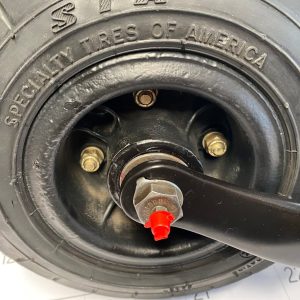
The Scott 3200A Tailwheel – Fully Rebuilt provides aircraft owners, pilots, maintenance facilities, and restoration specialists with a renewed tailwheel solution developed for compatible conventional-gear aircraft. The meaning of fully rebuilt should be supported by information describing disassembly, cleaning, inspection, measurement, lubrication, component replacement, reassembly, adjustment, and functional testing.
The Scott 3200A Tailwheel Assembly remains relevant for restoration work, scheduled maintenance, worn-component replacement, and ground-handling improvement projects. The Scott Tailwheel Assembly may contain bearings, bushings, springs, steering pawls, Aircraft Steering Tailwheel arms, wheel components, axle hardware, fasteners, and internal wear surfaces.
A worn or incorrectly configured Aircraft Tailwheel Assembly can contribute to shimmy, poor tracking, binding, excessive swivel, uneven tire wear, or difficult maneuvering. A General Aviation Tailwheel may be used on training aircraft, classic taildraggers, bush airplanes, utility platforms, experimental aircraft, and restored vintage designs.
Whether the requirement is an Aircraft Tailwheel, Taildragger Tailwheel, Aviation Tailwheel System, or Tailwheel Steering Assembly, exact compatibility should guide the purchase.
Exploring the Scott 3200 Tailwheel Design
The Scott 3200A is designed to provide tail support, wheel rotation, steering response, and controlled swiveling for compatible conventional-gear aircraft. A system-level evaluation can identify the true cause of binding, looseness, poor centering, irregular tire wear, or inconsistent ground control.
Benefits of the Scott 3200A Tailwheel Assembly
Actual operation depends on the complete aircraft installation rather than the tailwheel assembly alone. Reusable parts may remain acceptable when they pass inspection, while worn or damaged components should be replaced appropriately.
Scott Tailwheel Reliability and Condition
Worn components should be replaced while retained items should meet suitable inspection criteria. Buyers should distinguish between cleaned, serviced, repaired, inspected, overhauled, and fully rebuilt descriptions.
How an Aircraft Tailwheel Assembly Works
The assembly should move freely enough for intended operation while avoiding uncontrolled swivel or excessive looseness. Weak, broken, or mismatched steering springs may reduce directional response or create irregular control.
Benefits of a General Aviation Tailwheel
Maintenance intervals should reflect actual operating conditions rather than calendar time alone. Training aircraft may accumulate frequent taxi and landing cycles, while bush airplanes may experience greater surface irregularity and impact loading.
Aircraft Tailwheel Steering Performance
An Aircraft Tailwheel supports the rear fuselage and helps the airplane move during taxiing, parking, turning, takeoff, and landing. The wheel should rotate smoothly without excessive side play, roughness, binding, or abnormal drag.
Maintaining a Taildragger Tailwheel
Taildragger pilots coordinate rudder, brakes, power, and tailwheel input to maintain ground stability. Repeated hard pivoting can increase wear on the tire, bearings, springs, steering arms, fork, and mounting hardware.
Understanding an Aviation Tailwheel System
A complete inspection helps avoid unnecessary replacement and repeated troubleshooting. Left and right steering connections should be inspected for matching condition and correct installation.
Benefits of a Tailwheel Steering Assembly
Springs, pawls, bushings, bearings, steering arms, and internal contact surfaces can influence steering response. Steering arms should be inspected for bending, cracking, corrosion, elongated holes, and wear at attachment points.
Choosing a Ground Handling Tailwheel
A correctly adjusted tailwheel may support smoother maneuvering without excessive brake use. Responsible ground movement protects the Aircraft Ground Handling Tailwheel and surrounding structure.
Maintaining Scott 3200 Series Components
Operators may value the availability of maintenance experience and replacement components for suitable configurations. Different Scott 3200 variants, later manufacturing versions, replacement parts, and modified assemblies may exist.
Rugged Tailwheel Performance
Rugged operations may involve gravel, grass, dirt, uneven surfaces, frequent cycles, contamination, and repeated loading. Aircraft operating regularly from unimproved strips may require more frequent servicing.
Inspecting Tailwheel Aircraft Parts
Correct Tailwheel Aircraft Parts protect the integrity and performance of the rebuilt assembly. The rebuild should examine all interacting parts rather than focusing on external appearance.
Aircraft Steering Tailwheel Performance
Consistent steering can reduce unnecessary brake use and improve maneuverability in confined locations. Uneven tire wear may indicate alignment, bearing, or steering concerns.
Choosing a Replacement Aircraft Tailwheel
Correct identification reduces compatibility problems, return costs, and installation delays. The unit should not be installed solely because it appears clean or freshly refinished.
Choosing General Aviation Landing Gear Parts
General Aviation Landing Gear Parts include tailwheels, nose gear components, main gear assemblies, wheels, tires, brakes, bearings, springs, steering parts, and mounting hardware. Used or rebuilt landing gear parts should be listed with accurate identification, condition, rebuild history, package contents, and available documentation.
Evaluating a Scott 3200A Tailwheel
A pre-purchase inspection should confirm the assembly identity, rebuild scope, structural condition, included components, tire status, steering arrangement, and available documentation.
- Determine whether the sale includes the tire, wheel, axle, bearings, steering springs, chains, mounting bolts, fittings, and rebuild records.
- Inspect the assembly for cracks, corrosion, bending, damaged threads, enlarged holes, fork distortion, tire wear, rough rotation, and excessive looseness.
- Confirm the seller’s terms, written invoice, rebuild documents, payment protection, shipping insurance, packaging method, inspection period, and return conditions.
Installing the Scott 3200A Tailwheel
Mounting surfaces, steering springs, chains, hardware, and attachments should be reviewed before the rebuilt unit is installed. The tailwheel should move through its intended range without binding, abnormal looseness, interference, or contact with surrounding components.
Controlled taxi testing may help confirm steering response, centering, ground tracking, brake interaction, and shimmy resistance.
Protecting a Rebuilt Tailwheel Assembly
Preventive maintenance can identify wear before it develops into shimmy, binding, looseness, poor steering, or component damage. Pilots should inspect the tailwheel before operation for tire damage, loose hardware, bent parts, steering-link condition, contamination, corrosion, and visible misalignment.
Hardware and moving areas should remain visible enough for inspection.
Choosing the Scott 3200A Tailwheel – Fully Rebuilt
For the correct installation, the rebuilt assembly can support directional steering, controlled swiveling, predictable taxiing, and long-term serviceability. Buyers should request detailed photographs, rebuild records, accurate condition disclosures, secure transaction terms, qualified review, and protective shipping.
Whether the requirement is a Scott 3200A Tailwheel Assembly, Scott Tailwheel Assembly, Aircraft Tailwheel Assembly, or General Aviation Tailwheel, exact installation details should guide the purchase. With transparent rebuild records, secure mounting, serviceable steering components, and careful taxi testing, the Scott 3200A can support predictable ground handling.
Report this page